

DVDs Worth Money: Which Ones to Keep & Sell
Not every DVD sitting on your shelf is worth the same. Some are worth pocket change, while others can fetch real money if you know what collectors are actually hunting for. The difference usually comes down to rarity, condition, and whether the title is still available elsewhere.
If you're wondering whether your collection has hidden gems, you're not alone. Plenty of people have DVDs gathering dust that could be worth selling. The trick is knowing what makes one DVD valuable and another basically worthless.
What Makes a DVD Worth Money?
A DVD's value isn't about how old it is or how much you paid for it. It's about scarcity and demand. The most valuable DVDs share a few things in common.
Out-of-print titles are the heaviest hitters. When a studio stops manufacturing a DVD and doesn't reprint it, the supply shrinks fast. If people still want to watch it, prices climb. A movie that disappeared from store shelves five or ten years ago can be surprisingly valuable today.
Special editions hold their value better than standard releases. Steelbook editions, limited-run packages, and deluxe box sets with bonus materials attract collectors willing to pay premiums. A standard DVD of a popular film might be worthless, but the steelbook version of the same movie can be worth several times more.
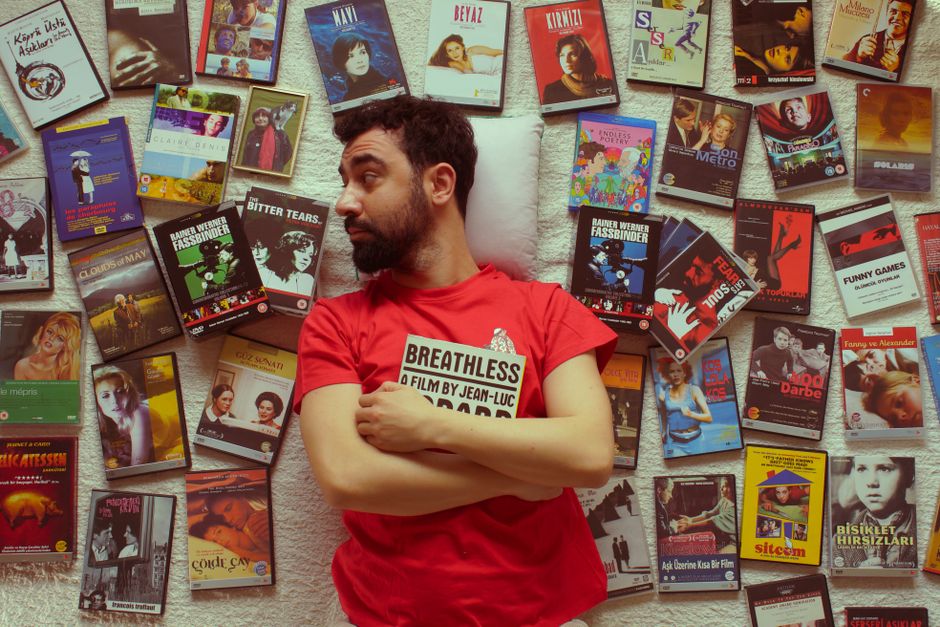
Criterion Collection releases are built to last in value. These are curated, restored versions of classic and art films. Collectors seek them out specifically. Once Criterion stops pressing a title, its value can climb steadily.
Complete series box sets appreciate over time. If you have a full season run or entire series in one package, especially if it's out of print, collectors who want the whole thing will pay accordingly. Single episodes or incomplete sets are much harder to move.
Cult and horror films punch above their weight. Genre fans are passionate and organized. They know what's rare and what they want. A cult horror film that seemed forgettable at the time of release can become surprisingly collectible.
How to Find Out if Your DVDs Are Worth Anything
Start by looking at what you actually own. Pull out the titles that feel less mainstream, the ones that seemed niche even when they came out.
Check if it's still in print. Search for the title online to see if major retailers or studios still stock it. If you can't find it anywhere new, that's your first green flag. Out-of-print doesn't guarantee value, but it's the foundation of it.
Look at the packaging. Does it have a special edition label? Is it a limited run? Steelbooks, digipaks, fancy boxes, and anything with "limited edition" printed on it deserves closer attention. Standard DVD cases with nothing special about them rarely appreciate.
Inspect the condition. A scratched disc or a case held together with duct tape isn't worth much. Collectors want discs that still play perfectly and packaging that looks like it was handled with care. Your DVD needs to be in genuinely good shape to command any real money.
Consider the genre and era. Not every old movie is valuable, but certain categories punch harder. Classic horror from the 70s and 80s, cult films that developed a following after release, and foreign cinema from respected directors tend to hold collector interest longer.
The Highest-Value DVD Categories
Some DVDs are consistently worth more than others. If your collection includes any of these, dig a little deeper.
Horror and cult classics. These genres have the most passionate, organized collector communities. A slasher film from the 1980s or a surreal indie cult favorite can be surprisingly valuable, especially if the studio stopped producing it years ago.
Foreign and art cinema. Restored versions of classic foreign films, particularly those from respected directors or studios known for quality restoration, attract serious collectors. These viewers tend to appreciate physical media and invest in their collections.
TV series box sets. Complete series runs on DVD, especially older shows that haven't been rereleased in flashy new editions, can hold value. Fans of older television often prefer owning the physical version they grew up with.
Criterion Collection and similar imprints. Any DVD from a serious collector-focused label is worth checking on. These companies release limited quantities and often don't repress titles once inventory runs out.
Viral or culturally significant films. Sometimes a film gains a huge following years after release. If a movie suddenly becomes culturally important or goes viral online, older out-of-print DVD editions can spike in value as fans hunt for physical copies.
Where to Sell DVDs Worth Money
Finding value in your collection is half the battle. The other half is selling it to someone who actually wants to buy it.
eBay is the main marketplace for collectible DVDs. Rare and out-of-print titles find their audience here. Collectors actively search for specific films they're missing. The auction format works well for scarce items because bidders compete, which can drive prices up. Just be honest about condition and include clear photos.
Specialized collector platforms exist for media. Beyond eBay, some niche marketplaces focus on physical media collectors. These tend to attract serious buyers who understand what they're looking for and are willing to pay for quality and rarity.
Local options matter too. Facebook Marketplace, Craigslist, and local collector groups can move DVDs quickly if you're patient. You won't always get top dollar this way, but you save on shipping and avoid marketplace fees.
The key is matching your DVDs with buyers who actually want them. A cult film enthusiast won't care about a generic romantic comedy, no matter the edition. Cast a wide net first, then narrow down based on what gets interest.
Red Flags: DVDs That Won't Sell
Not every DVD you own has value, no matter how much you paid for it. Save yourself time and storage space by being realistic.
Mass-market titles still in print. If you can walk into a store or order it new online, your used copy has almost no value. Sellers are competing on price with brand-new inventory.
Scratched or damaged discs. Even valuable titles won't sell if the disc is too scratched to play reliably. Buyers want to actually watch what they're buying.
Broken cases or missing artwork. Collectors care about condition. A DVD in a broken case or missing inserts is worth significantly less than one in pristine shape.
Bare-bones standard editions. If the DVD has no special features, no restored transfer, and nothing that makes it special, it's probably not worth listing. Too much competition and too little appeal.
If you're serious about building a collection of truly valuable titles going forward, focus on out-of-print releases, special editions, and respected publisher labels. That's where real collectibility lives. Classic Movies Etc specializes in sourcing rare and hard-to-find classic movies exactly because these titles hold their value and matter to collectors who take their collections seriously.
How to Maximize What You Get When Selling
Once you've identified DVDs worth selling, don't just dump them on the market. A little effort goes a long way.
Test the disc first. Make sure it actually plays before you list it. Nothing tanks a sale faster than shipping a DVD that doesn't work.
Clean up the packaging. Dust off the case, straighten the artwork, and make sure all inserts are there. Good presentation attracts buyers and justifies higher prices.
Take clear photos. Show the front and back of the case, the disc itself, and any special features or bonus materials. Buyers want to know exactly what they're getting.
Research recent sales, not asking prices. Look at what similar DVDs actually sold for, not what sellers are asking. Completed auctions and sold listings tell the real story about value.
Price competitively but fairly. You want to move inventory, but you also want fair compensation. Find the sweet spot between what collectors will pay and what other sellers are getting.
Describe the edition clearly. Say whether it's a steelbook, limited edition, Criterion release, or whatever makes it special. Collectors search for these specifics. Clear labeling helps the right buyer find your listing.
If you're looking to rebuild your collection with titles that actually matter, Classic Movies Etc offers rare and hard-to-find classic movies that hold genuine value for film enthusiasts and collectors.
FAQs About DVDs Worth Money
Are old DVDs worth anything?
Age alone doesn't make a DVD valuable. What matters is whether it's still available elsewhere and whether collectors actually want it. An out-of-print DVD from 2005 might be worth real money, while a brand-new DVD of a common title is almost worthless. Focus on rarity and demand, not how long you've owned it.
How much can I sell a rare DVD for?
That depends on the title, condition, edition type, and current demand. A valuable out-of-print Criterion release in perfect condition might fetch anywhere from $30 to several hundred dollars. A scratched standard edition of the same film might sell for five dollars or not at all. Research what similar titles have actually sold for recently to get a realistic sense of value.
What DVDs are most likely to appreciate in value?
Out-of-print special editions, Criterion Collection releases, complete series box sets, and cult/horror films are your safest bets. Any DVD from a publisher known for limited runs and quality releases has better odds of appreciating. Standard releases of movies still available new rarely gain value over time.
Should I sell individual DVDs or my whole collection at once?
Sell individually if your DVDs are truly valuable. That way you reach collectors hunting for specific titles and you get fair prices for each piece. Sell in bulk only if you need to move everything quickly and don't mind getting less per DVD. Bulk buyers pay less because they're taking on the work of reselling.
Comments