

Best DVDs to Buy for Classic Movie Collectors in 2026
You want to own your movies, not rent them. You want them on your shelf, ready to watch whenever you choose, without worrying about streaming licensing changes or subscription costs. That's the real appeal of buying movies on DVD—and if you're a classic film enthusiast, it's even more compelling. DVDs remain the most accessible format for discovering and collecting the rare, out-of-print, and archival titles that streaming platforms will never touch.
Here's what matters: physical media gives you ownership. It gives you control. And when you're hunting for classic cinema that shaped film history, Classic Movies Etc specializes in sourcing those hard-to-find titles directly from studio archives and private collectors, so you can actually build a collection that means something.
Why Collectors Are Still Buying Movies on DVD
The streaming wars have made one thing crystal clear: if you want guaranteed access to a film, you need to own it. Licensing deals expire. Films get pulled from catalogs. Directors' cuts vanish overnight. When you buy movies on DVD, that doesn't happen.
For classic cinema especially, the reasons run deeper. Many golden-age and cult films were never digitized for streaming platforms, or they exist only in archive vaults. A 1940s noir or a rare international silent film might have exactly one source on Earth: a careful restoration on DVD, sourced from a studio master or private collection. That's not a limitation—that's the entire point.
DVD also costs less than Blu-ray or 4K formats. If you're building a serious collection across dozens or hundreds of titles, price sensitivity matters. You can spend your money on breadth instead of depth, and explore more cinema.
Beyond economics, there's something tactile about DVD ownership. You're buying a physical artifact. You're supporting archival preservation. You're participating in film history in a tangible way.
What to Look for When You Buy Movies on DVD
Not all DVDs are created equal. The quality of your viewing experience depends on a few smart choices upfront.
Source the restoration, not just the title. Classic films sourced from archival masters may look different from modern theatrical releases. Some restaurations are pristine; others show their age. That's honest. Knowing the source helps you set the right expectations and appreciate what you're getting: access to cinema that would otherwise be lost.
Check for special editions and boxed sets. If a title you love comes in a boxed set with supplemental materials, interviews, or restoration documentaries, that adds enormous value. You're not just buying a movie; you're buying context and history.
Prioritize availability over format hype. You can't watch a 4K UHD disc if the title only exists on DVD. When you buy movies on DVD, you're often choosing between ownership of a rare title or ownership of nothing. That's an easy call for collectors.
Verify the region coding if you source internationally. Most DVDs sold in North America are Region 1. If you're buying from specialty retailers or overseas sources, confirm compatibility with your player.
Where to Find Hard-to-Find Classics
You know the mainstream retailers: Amazon, big-box stores, general media sites. They stock new releases and bestsellers. If you want to build a serious classic film collection, you need specialists.
Classic Movies Etc operates on a manufactured-on-demand model, pulling from studio archives and private collections to source titles that are otherwise unavailable. That means you can find the obscure 1920s German Expressionist film, the restored print of a forgotten Italian neorealist masterpiece, or the director's cut that was never officially released on any other format. These are the titles that serious collectors hunt for.
Specialty retailers like Movies Unlimited also focus on depth in classic cinema. They curate for collectors, not casual viewers, and their inventories reflect that intentionality.
Genre-specific shops sometimes carry rare titles within their niche—noir archives, silent film repositories, regional cinema specialists. If you know what you're hunting, a direct search to a focused retailer often pays off.
Estate sales and used media shops occasionally yield incredible finds at low prices. You won't discover rare restorations there, but you might uncover original releases or limited pressings that have disappeared from retail entirely.
Building a Collection That Lasts
When you buy movies on DVD, you're making a commitment. You're dedicating shelf space. You're investing time and money. Make it count.
Start with your genuine loves. Don't buy a film just because it's rare or because a list told you to. Buy the movies you actually want to revisit. Your collection should reflect your taste, not someone else's checklist.
Track your collection. Use a spreadsheet or a dedicated app to log what you own, the source, the condition, and the original purchase price. This helps you avoid duplicate purchases and gives you a clear view of your collection's growth over time.
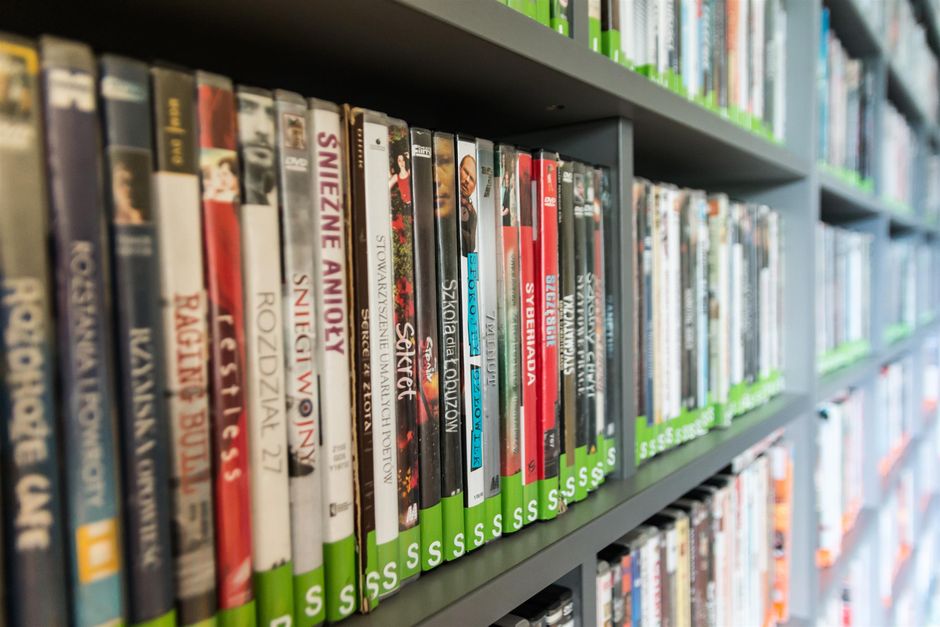
Store DVDs properly. Keep them upright in a cool, dry space away from direct sunlight. Avoid extreme temperature swings. Good storage practices extend the lifespan of your discs significantly. According to the Library of Congress, properly stored DVDs can last 50+ years, making them a legitimate long-term archival format.
Stay curious about restoration history. When you buy movies on DVD from archival sources, learn why the restoration matters. Who funded it? What condition was the source material in? What choices did restorers make? That context deepens your appreciation for the film and the effort behind bringing it to you.
Why DVD Ownership Still Makes Sense in 2026
Streaming platforms have conditioned us to expect instant access to everything. But the reality is harder: many classic films simply aren't available on streaming. They're too niche, too old, too commercially unviable. The studios that own the rights may not even know what they have in their vaults.
When you buy movies on DVD, you're solving that problem directly. You're securing access to cinema that matters to you. You're supporting the archivists, restorers, and specialists who work to preserve film history. You're building something permanent.
If you're serious about classic cinema, start exploring what's available through Classic Movies Etc. Browse their catalog. See what titles exist that you didn't even know were accessible. That's where the real discovery happens—and where a genuine collection begins.
Getting Started with Your Classic Film Collection
The hardest part is the first purchase. You're committing to the format. You're accepting that not every title will be a theatrical restoration. You're trusting that the effort behind sourcing these films is genuine.
Once you own your first disc, the momentum builds. You notice gaps in your collection. You discover films through other films. You chase director retrospectives and genre deep-dives. Your shelf becomes a living archive of your own taste and curiosity.
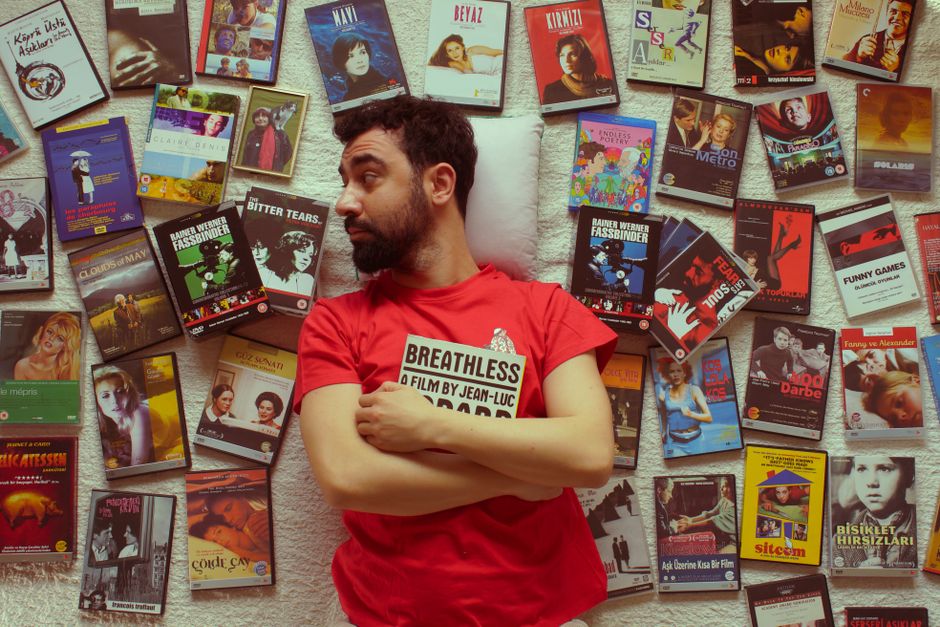
That's the real appeal of buying movies on DVD as a collector. It's not about the format. It's about intentionality. It's about owning the films you love, displayed where you can see them, ready to watch on your terms.
Is DVD still worth buying in 2026 when streaming exists?
Yes, especially for classic and hard-to-find films. Streaming catalogs are constantly changing due to licensing agreements, and many archival or rare titles will never appear on streaming platforms. When you buy movies on DVD, you guarantee permanent ownership and access. This is especially important for collectors who want to preserve access to films that might otherwise disappear from availability entirely.
What's the difference between buying DVDs from a specialty retailer versus a general retailer?
Specialty retailers like Classic Movies Etc focus on sourcing rare, out-of-print, and archival titles directly from studio collections and private sources. General retailers stock bestsellers and new releases. If you're hunting for classic cinema that shaped film history, a specialist retailer is where you'll find access to films that mainstream platforms don't carry.
How long do DVDs last if I store them properly?
Properly stored DVDs can remain playable for 50 years or more. Keep them upright in a cool, dry space away from direct sunlight and extreme temperature changes. With good storage practices, your physical collection becomes a legitimate long-term archive you can pass on or rely on indefinitely.
Should I buy individual DVDs or boxed sets when collecting classic films?
It depends on your goals and budget. Boxed sets often provide better value per disc and include supplemental materials like restored documentaries or director interviews. Individual titles give you flexibility to curate exactly what you want. Many collectors do both: buy individual rare titles to fill gaps, and buy sets for complete retrospectives of directors or genres they love.

Comments