

VHS and DVD Archive: Build Your Classic Movie Collection
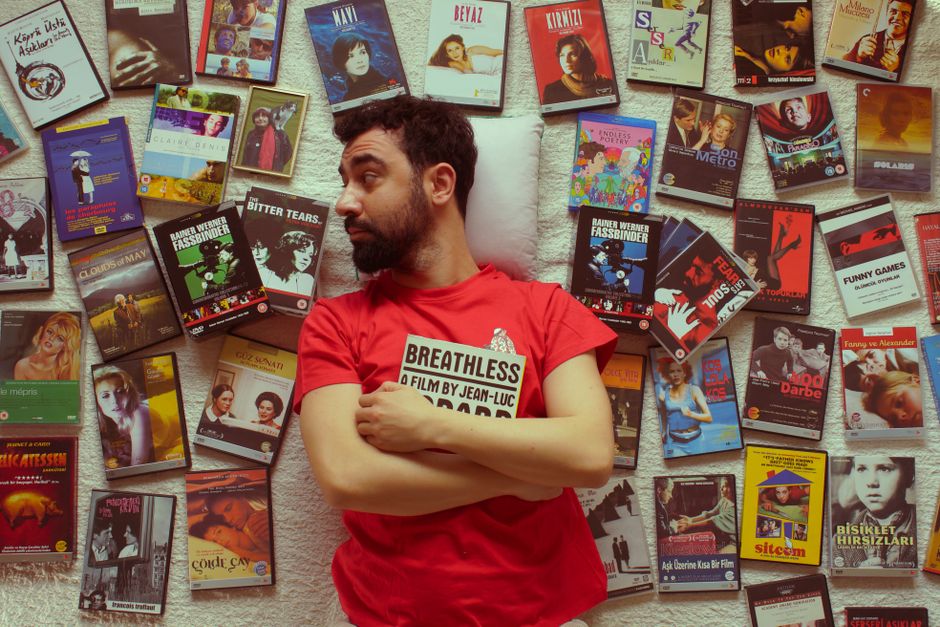
A VHS and DVD archive is basically your personal vault of classic movies on physical media. Whether you're rescuing forgotten films from thrift stores or hunting down specific collector editions, building an archive means you own your movies forever—no streaming licenses expiring, no algorithms deciding what's available next month.
If you're serious about classic cinema, you already know some titles just aren't on the major streaming platforms. That's where a physical archive becomes your lifeline to film history. Let's walk through how to build one that actually works.
Why Start a VHS and DVD Archive Right Now
Physical media collecting has made a real comeback. Thrift stores, estate sales, and online marketplaces are packed with VHS tapes and DVDs at dirt-cheap prices—often just a few dollars per title. You're not paying premium streaming subscription fees. You're building actual ownership.
Here's the honest part: some classic films were never properly restored. The studio masters sit in archives. The only version available is the VHS or DVD release from 1998. When you own that disc, you have access to cinema history exactly as audiences experienced it. Classic Movies Etc sources directly from studio archives and private collectors specifically because some titles exist nowhere else in decent quality.
Nostalgic animated titles like 101 Dalmatians, The Jungle Book, and The Hunchback of Notre Dame show sustained collector interest. Multiple release versions from different years (1992 vs. 1999 releases, for example) appeal to archivists tracking variants and preservation. If you care about owning the specific version you watched as a kid—that matters.
Where to Source VHS and DVD Inventory for Your Archive
Start at thrift stores. Goodwill, Salvation Army, local secondhand shops—they're overflowing with DVDs and VHS tapes people donated. You'll find gold mixed in with the garbage. Budget $1-3 per disc and you'll build fast.
Estate sales and garage sales are goldmines for bulk lots. Entire collections sometimes go for a single price. You might grab 50 DVDs for what a new Blu-ray would cost.
Online: eBay, Facebook Marketplace, and specialized collector forums move inventory daily. Join classic film communities. Collectors sometimes liquidate and offer bulk deals to someone who'll actually care about the titles.
Private collectors are your secret weapon. Build relationships. Post in film forums. Word-of-mouth access to someone's personal archive beats random thrift store browsing every time.
Organizing Your VHS and DVD Archive
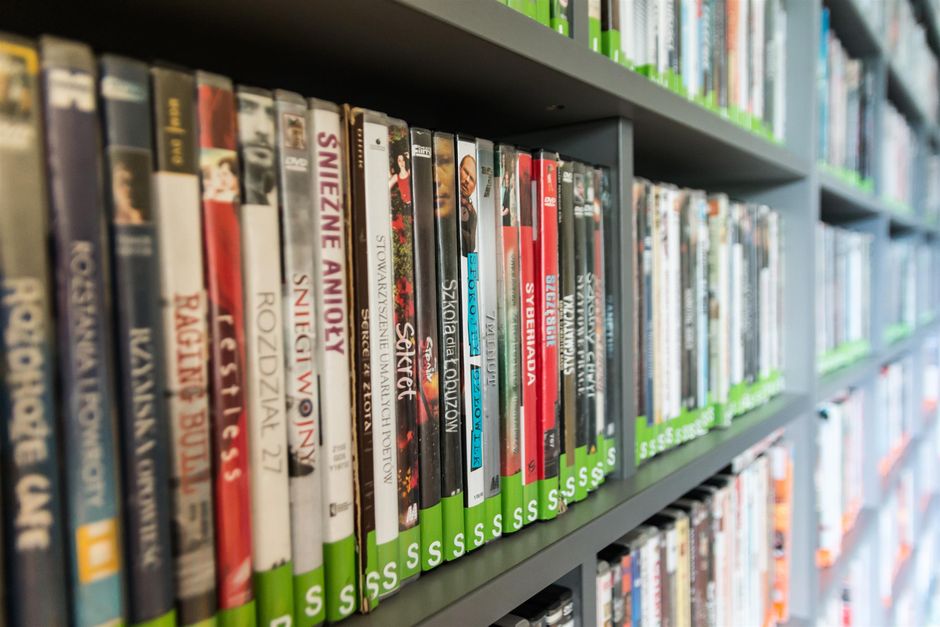
Don't just pile them randomly. Your archive only works if you can actually find what you want to watch.
By Genre: Keep all film noir together. All musicals together. All silent films together. Makes browsing intuitive.
By Director: If you're collecting Hitchcock, Capra, or Billy Wilder, group their work. You'll notice patterns and want to marathon filmographies.
By Decade: 1930s movies, 1940s movies, etc. Tells a story about cinema evolution.
By Release Variant: Different pressings matter to serious collectors. Track release dates, studio imprints, and whether you own the letterboxed or full-screen version. This becomes important when you're sourcing specific editions.
Use a simple spreadsheet or dedicated cataloging app (even a Google Sheet works). Log title, year, format (VHS/DVD), genre, director, and any notes about condition or edition type. Takes 30 seconds per disc and saves hours of frustrated searching later.
Storage and Preservation for Long-Term Archives
Physical media degrades. DVDs last 20-50 years depending on storage. VHS tapes deteriorate faster. You need climate control.
Temperature: Keep your archive between 60-70 degrees Fahrenheit. Avoid basements (humidity) and attics (heat extremes). A climate-controlled closet, bookshelf in your bedroom, or spare room works perfectly.
Humidity: Aim for 30-40% relative humidity. Moisture causes mold and disc rot. A simple dehumidifier in the storage space prevents most problems. The Library of Congress provides specific guidance on archival storage conditions—if it's good enough for their preservation program, it's good enough for your collection.
Light: Keep DVDs and VHS in darkness. Sunlight and fluorescent light accelerate degradation. Closed shelving or dark storage boxes work best.
Handling: Always hold discs by the edges. Fingerprints on the playing surface cause errors. Keep cases organized and protected from dust.
Digital Backup Strategies for Your Archive
Some collectors digitize their physical media as backup. If you own a DVD, making a personal digital copy for your own viewing is straightforward. USB capture devices exist and work, though the legality varies by what you're copying.
The honest take: if you're building an archive of rare or out-of-print titles, you probably want the physical disc for authenticity and preservation. Digital is convenience. Physical is insurance that your collection survives format changes.
Building a Community Around Your VHS and DVD Archive
Connect with other collectors. Share find photos. Swap duplicates. Discuss rare editions and missing pieces.
Facebook groups dedicated to classic film collecting are active and generous. Reddit communities like r/criterion and classic film forums connect passionate archivists. These communities often trade or sell to each other at fair prices because nobody's trying to get rich—everyone just wants the movies to survive.
When you find a particularly hard-to-locate title, you'll understand why Classic Movies Etc exists. Some films demand specialized sourcing. Building your own archive teaches you exactly why collectors and archivists do this work.
Common Questions About Starting Your Archive
Should I prioritize VHS or DVD for my archive?
DVD. VHS degrades faster and the image quality is lower. If you see the same title on both formats, grab the DVD. However, some titles only exist on VHS—in that case, VHS is better than nothing. Store it properly and it'll last decades.
What's the actual lifespan of a stored DVD?
Under proper conditions (cool, dry, dark storage), a quality DVD lasts 20-50 years, possibly longer. Budget DVDs from discount bins might fail sooner. Professional-grade archival DVDs last longer. Temperature stability matters more than the shelf life estimate on the package.
How do I know if a VHS or DVD is actually playable before buying?
You usually don't at thrift stores—that's the gamble. Look for visible damage: crushed cases, cracked discs, obvious mold. At estate sales and online, ask the seller if they tested it. Most thrift store media works fine. Sometimes you get a dud and it becomes a $2 loss. Accept it as part of collecting.
Can I legally copy my DVDs to digital format for personal use?
This depends on your local copyright law and the specific DVD's copy protection. Generally, making personal backups of media you own is common practice, but anti-circumvention laws in some countries create gray areas. Research your local laws or consult a lawyer if you're unsure. The safest approach: keep your physical collection and buy digital streaming rights separately if you want both.

Comments